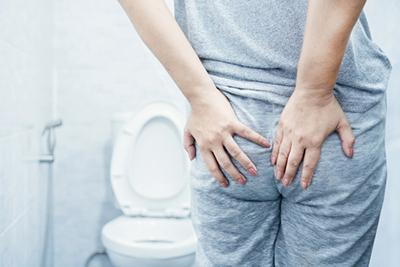
Bowel Leakage In Elderly Full Files Video/Photo Download
Enter Now bowel leakage in elderly pro-level online playback. No monthly payments on our video portal. Dive in in a comprehensive repository of films demonstrated in best resolution, the ultimate choice for premium streaming patrons. With recent uploads, you’ll always stay current. See bowel leakage in elderly themed streaming in breathtaking quality for a mind-blowing spectacle. Register for our viewing community today to view VIP high-quality content with 100% free, subscription not necessary. Receive consistent updates and journey through a landscape of indie creator works optimized for select media connoisseurs. Grab your chance to see never-before-seen footage—rapidly download now! Explore the pinnacle of bowel leakage in elderly unique creator videos with vibrant detail and members-only picks.
Fecal incontinence is accidental passing of solid or liquid stool Don't let embarrassment hold you back! Fecal incontinence may happen when a person has a sudden urge to pass stool and cannot get to a toilet in time
Pin on Accidental Bowel Leakage
Also, stool may leak when a person doesn't sense the need to pass stool Learn about its causes, symptoms, and compassionate treatment options available in houston that restore dignity and improve quality of life Common causes of fecal incontinence include diarrhea, constipation, and muscle or nerve damage.
What is fecal (bowel) incontinence
Fecal incontinence — also called bowel incontinence — is when you can't manage or control your bowel movements (pooping) Liquid or solid stool (poop) leaks out when you don't want it to Fecal incontinence may be as mild as having a little leakage when you pass gas or as severe as unintentionally passing solid stools. Fecal incontinence is a common problem, especially among older adults, where the inability to control bowel movements results in involuntary bowel movements (fecal elimination)
This can range from an occasional leakage of stool while passing gas to a complete loss of bowel control. Elderly patients may be reluctant to admit fecal incontinence, so clinicians need to ask about it.two of the most common causes are fecal impaction (especially in nursing home patients) and rectosphincter dysfunction in people with diabetes. Bowel incontinence (also called fecal incontinence) is when you're not able to control your bowel movements It's a common problem, especially among older adults, and ranges from irregular stool.
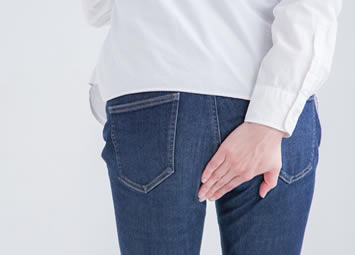
Bowel incontinence in seniors is a common problem
Learn what causes fecal incontinence in the elderly and treatments to help manage it. Fecal incontinence in elderly adults is the loss of bowel control Learn how to manage this condition with practical tips and proper care. Fecal incontinence affects about one in 10 people
This condition is more common in women and people over the age of 65 Common symptoms of fecal incontinence are leakage of stool or gas that can't be controlled, urgency to have a bowel movement, and decreased awareness of the need to have a bowel. Fecal incontinence can be a challenging and stigmatizing disease with a high prevalence in the elderly population Despite effective treatment options, most patients do not receive care
Clues in the history and physical examination can assist the provider in establishing the diagnosis
Fecal incontinence causesa person's muscles and nerves in their pelvis and rectum (the bottom part of the large intestine) have to work in a coordinated way to prevent fecal incontinence When a person is not ready to have a bowel movement The rectum's circular muscles (sphincters) contract like rubber bands to keep feces from leaving the rectum Muscles in the bottom of the pelvis.
In actuality, the function of the gastrointestinal system remains relatively preserved with aging,1 and fi should therefore be considered pathological and the underlying etiology sought Factors contributing to this condition include weakening pelvic floor muscles, nerve damage from conditions like diabetes or strokes, chronic constipation, and the effects of multiple medications Urge incontinence , when a patient has the desire to defecate but cannot make it to the toilet, is the loss of fecal matter despite active attempts to avoid defecation Passive incontinence is the involuntary loss of gas or stool without awareness.

Fecal incontinence, or leakage of stool from the rectum, can range from occasional leakage while passing gas to a complete loss of bowel control
An estimated 8 percent of the general population and 15 percent of people age 70 and older are affected Treatment the goals of therapy are to manage conditions that cause or worsen fecal incontinence and to improve the function of the rectum and anus Diet and lifestyle changes the first step is making changes to diet and lifestyle habits This is the involuntary passing of stool, ranging from small leaks to a complete loss of bowel control
Possible causes include nerve damage, muscle weakness, and chronic constipation. In the elderly, constipation and fecal incontinence are common and often distressing symptoms that can often be managed by addressing bowel disturbances Selected diagnostic tests, prescription medications, and, infrequently, surgical options should be considered when necessary. Fecal incontinence might be categorized as urge (limited time from sense of need to defecate to defecation), passive (no awareness of need to defecate

Involuntary loss of stool), or seepage (involuntary leakage after normal defecation).
Read our guide to toilet problems and incontinence, including causes, solutions and how this might affect a person with dementia. Expert articles and advice, tips, and support for caregivers who are assisting seniors with urinary and fecal incontinence issues. Bowel or fecal incontinence is the inability to control bowel movements It can refer to minor leakages that occur while passing gas to complete loss of bowel control.
Fecal incontinence, also known as accidental bowel leakage or bowel incontinence, is a complex and often misunderstood condition that requires greater attention from health care providers. Bowel incontinence in elderly men is a widespread issue, affecting over 10% of men over 60