Mrs.whistlindiesel Leaked 2026 Vault Full Media Fast Access
Unlock Now mrs.whistlindiesel leaked exclusive live feed. Pay-free subscription on our entertainment center. Get lost in in a large database of binge-worthy series ready to stream in superb video, tailor-made for passionate streaming viewers. With trending videos, you’ll always stay updated. Check out mrs.whistlindiesel leaked expertly chosen streaming in incredible detail for a absolutely mesmerizing adventure. Join our content portal today to check out subscriber-only media with cost-free, no need to subscribe. Look forward to constant updates and dive into a realm of distinctive producer content engineered for elite media buffs. Don't forget to get one-of-a-kind films—get it fast! Explore the pinnacle of mrs.whistlindiesel leaked bespoke user media with vibrant detail and selections.
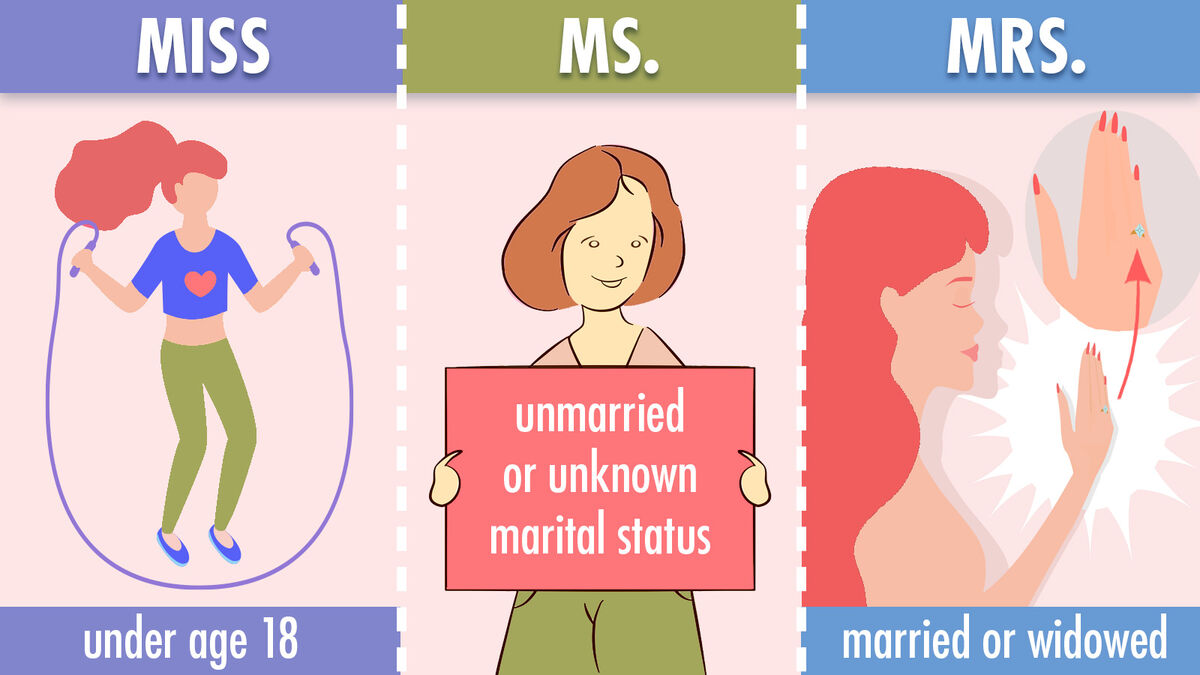
Generally speaking, it is considered proper etiquette to use mrs These feminine honorifics are all contractions of the word mistress. To refer to married women, miss to refer to unmarried women and young girls, and ms
Mrs (2023)
To refer to a woman of unknown marital status or when marital status is irrelevant. As a consequence, writers are often unsure whether to use ms., miss, or mrs. when addressing a woman in an email or a letter Originated as a contraction of the honorific mistress (the feminine of mister or master) which was originally applied to both married and unmarried women in the upper class
Writers who used mrs for unmarried women include daniel defoe, samuel richardson, henry fielding, and samuel johnson.
Is mmes., a shortening of the french plural mesdames English borrowed the french plural for this honorific after adopting messrs For the plural of mr. Is a title used for a married woman
The more neutral title ms Can be used instead for a woman whose marital status is unknown or irrelevant or who expresses a preference for this mode of address. Is an abbreviation of missus, which originally came from the word mistress Is typically used to address married women

It indicates a woman’s marital status and is often used alongside her husband’s name.
“mrs.” is the abbreviation of missus” and refers to married women “ms.” came about in the 1950s as women sought to differentiate themselves from being known by their marital status, and it gained popularity in the 1970s. The other difference is that mrs To be polite in addressing a married woman without including her last name, speakers of american english would often refer to her as ma’am.
Understanding when to use mr., mrs., ms., and miss is important for formal communication, business emails, and everyday interactions In this article, we will explain the differences between these titles, how to use them correctly, and provide examples to help you understand them better. Is a traditional title used for a married woman Miss is a traditional title used for an unmarried woman
Is a title that indicates neither marital status nor gender
Miss, when attached to a name, is a traditional title of respect for a girl or unmarried woman.